Notes to myself, left in the open.
Less noise. More of what I actually think.
In a world full of generated words, this is the slow, human corner where I write to understand myself.
Learn with a child's curiosity.
Think with a clear head.
Choose with an elder's calm.
Last written 19 Oct 2026
2026
2025
2024
Learn React Router v7 - part 1 : Routing
Rendering Strategies SSR : rendering when your first-load the page, reload the page and navigating the page without JS enabled CSR : rendering in client (browser main thread) SSG : pre-rendering in…
Server Island in Web : behind the 'land'
AstroJS has released new feature named "Server Island", it supports the static site can lazy-loading the non-interative component (html part only). So we can deep dive on how it works, is it a hype ?…

2023
Same vendor fallback is pointless
Technical mistake : using the same-vendor fallbacks is danger and no meaning
No.1 Productivity Hack Of My Life
JUST SHIP THE SHIT ! BAD SHIT IS BETTER THAN ZERO SHIT PERFECT SHIT IS REALLY SHIT MAKE BAD SHIT BETTER EVERYDAY IS PRODUCTIVITY THINKING ABOUT PERFECT SHIT IS JUST ILLUSION NO SHIT IS MATTER, SO…
Game of Life vs Life of Game
Chợt nhớ lại về thời bé, cái thời mà tôi được ba mẹ mua cho bộ máy vi tính (hay gọi tắt PC). Cơ duyên IT đến với tôi từ đó bắt đầu, từ 1 thằng bé thích điện - điện tử mong đi thi ROBOCON hàng năm,…
An
Trích dẫn : Oh Ta lấy cuộc sống làm mặt giấy Ta lấy trải nghiệm làm mực cọ Ta thấy gì cứ việc hoạ nấy Cân đo đong đếm mặc họ Ấy Tử tế tử tế tử tế * Be kind * Luôn nhắc trong đầu mình như thế * làm…
Being kind
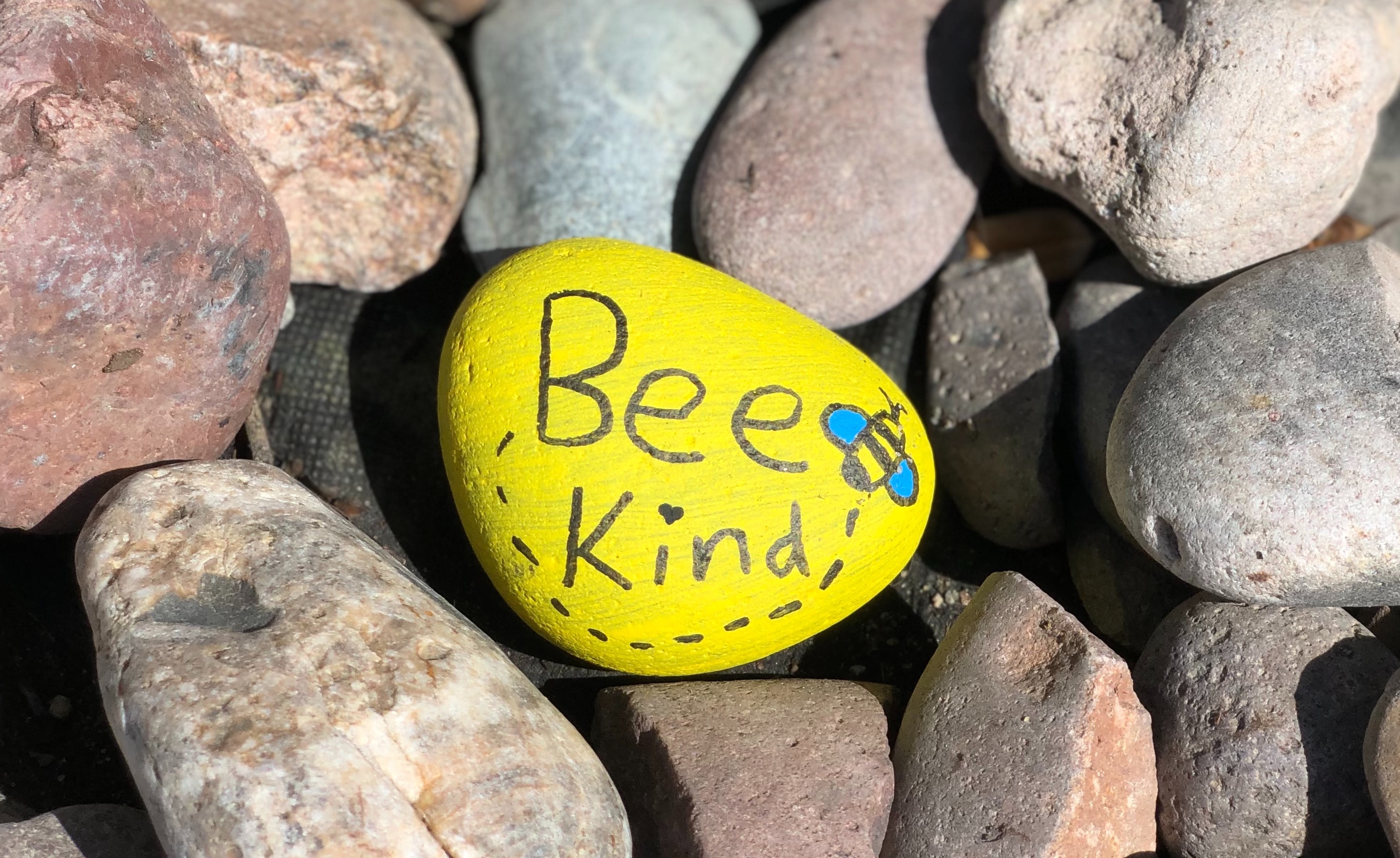
Kindness, a simple thing in life, but sometimes it’s hard to keep. Defending is a basic instinct, but kindness is a human choice. Being kind, make your work-life harder but more meaningful. There 4…
Ready for 1%
However you do whatever with whoever at whenever, mostly seem pointless compared to the most "right thing". You learnt a lot of unused things in school with zero impact on your current work ? You did…
Over some-thing
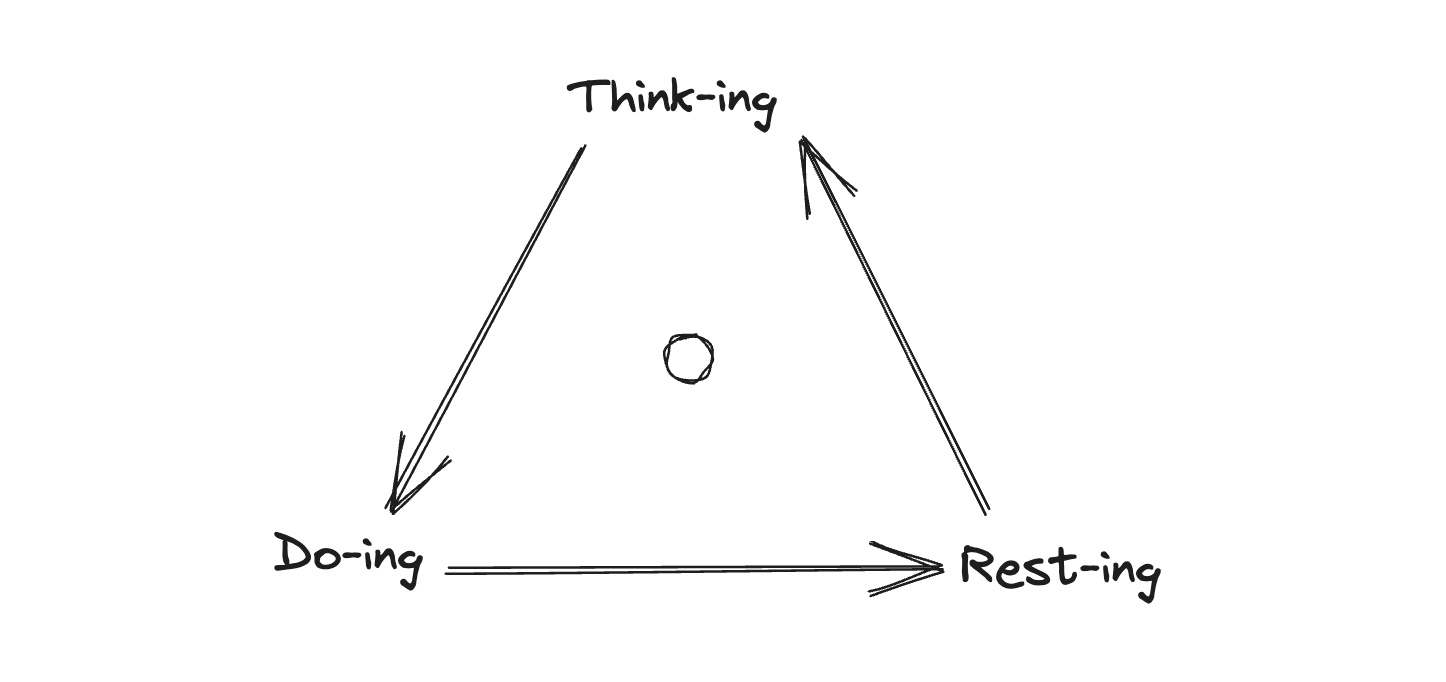
The cover image is my triangle of most activity in my life : Thinking - Doing - Resting Thinking before Doing Doing before Resting Resting before Thinking The middle point is called a balanced point.…
We were born and died in same way, so live differently
We were born from bare hands, die to bare hands So what matter is what we hold in our hands while we live Many choose wealth Many choose power Many choose status Many choose other hands Few choose…
Work Experience Timeline
This is my graph of Work Experience Timeline : There are 5 phrases and 5 levels of working : First, get excited about new thing, getting onboard, the exciting helps you to push yourself through 0-exp…
Negative feelings
The more I try to learn, the more stupid I feel The more I work, the more exhausting I feel The more I code, the more stucks I feel The more I try to sleep, the more wakefulness I feel The more I…
When something goes wrong
When something goes wrong, It's just a chance To look back, your right thing Then your wrong thing Becomes the left thing. Left or right, It doesn't matter At the end. Stay foolish ! P/s : wrong…
Tại sao lại tính diện tích hình tam giác như thế?
Thỉnh thoảng tôi lại nghĩ lại về những thứ đơn giản, đặt câu hỏi tại sao lại như thế ? Ví dụ là diện tích hình tam giác, lại có công thức đơn giản nhất là 1/2 tích đáy nhân chiều cao (hay S = a*h/2…
Negative Force - Balanced Life
Every system will be balanced, and human life is a system. How do you stand balanced on the ground ? It's a negative force, which the ground push you with opposite force of gravity. So you can stand,…
View CrUX Dashboard - Your site web core vitals - Realtime User Measurement
View your RUM (Realtime User Measurement) web core vitals is a good way to ensure your visitors have a good experiences. The RUM data is collected by Google or another 3rd big tech company (I haven't…